Arya Samaj Mandir Marriage: A Complete Guide to the Process, Fees and Certificate
If you talk to couples who married at an Arya Samaj Mandir, many of them will tell you the same thing. They chose it because they wanted their wedding day to feel calm. Not flashy. Not stressful. Just honest.
When they walk into the Mandir, most are surprised by how quiet everything feels. There is no loud rush, no crowd pushing for attention. Someone from the staff usually comes forward, asks for the documents, and speaks in a tone that immediately lowers the tension.
Many couples arrive expecting complicated paperwork or worrying that they might forget something important. But the Mandir routine is steady. Once you take your seat and watch another couple finishing their rituals, it becomes clear that the entire atmosphere is built around simplicity.
What an Arya Samaj Marriage Really Is
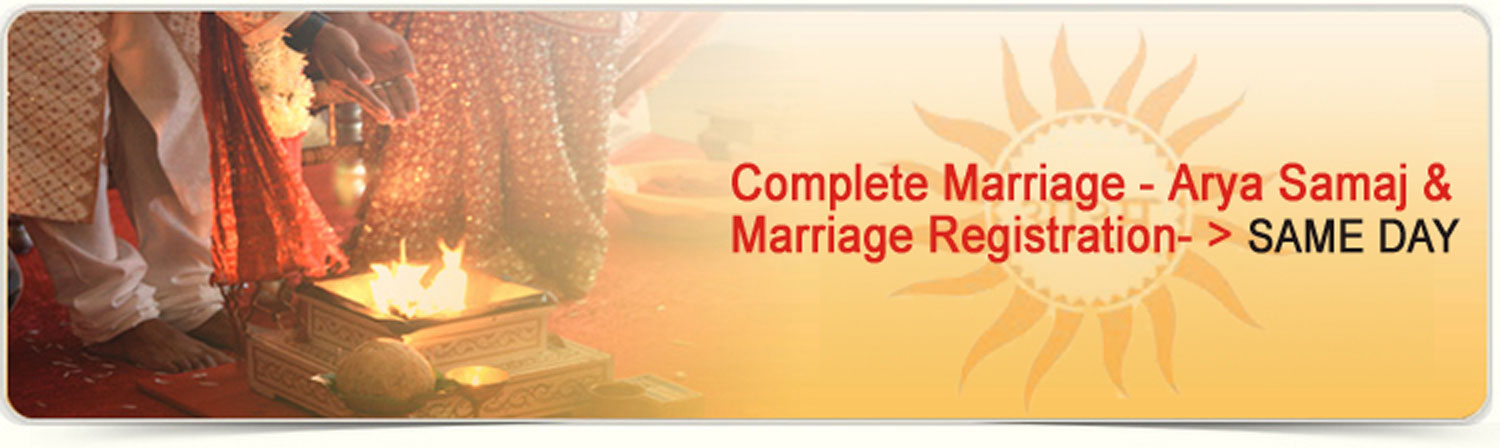
Arya Samaj weddings follow Vedic practices, yet nothing about the ceremony feels heavy. There is a small havan, a few mantras, and the seven steps around the fire. The priest explains everything in simple language, so even couples unfamiliar with Vedic rituals understand what is happening.
From a legal perspective, the marriage is governed by the Hindu Marriage Act of 1955. As long as one partner belongs to the Hindu, Sikh, Jain, or Buddhist community, the ceremony can proceed. Inter-caste couples are welcomed without hesitation, which is why many people who feel uncomfortable in traditional settings feel safe here.
Who Can Marry at Arya Samaj Mandir
The rules remain straightforward:
- The bride must be at least 18 years old.
- The groom must be at least 21 years old.
- Both partners must be marrying by choice.
- Neither partner should already be married.
- At least one partner must belong to the Hindu, Sikh, Jain, or Buddhist faith.
These basic conditions ensure that the marriage remains lawful and uncomplicated.
How the Process Actually Happens
The entire process, from document verification to receiving the Mandir certificate, usually finishes within two to three hours. What surprises most couples is how calm and normal the environment feels throughout.
Document Submission
Couples submit their identity proofs, photographs, and affidavits. The staff checks them carefully and efficiently, which helps this step move faster than expected.
Verification
Age, identity, and marital status are verified. Once approved, the couple is guided toward the hall where the ceremony takes place.
The Ceremony
The priest lights the havan and begins the mantras in a calm, measured tone. The garland exchange and seven steps follow at a steady pace. Nothing feels rushed or staged, allowing couples to remain present in the moment.
The Mandir Certificate
Immediately after the ceremony, the Mandir issues a marriage certificate. For many couples, holding it feels like quiet confirmation that the day is complete.
Documents You Should Bring
- Proof of age (Aadhaar card, passport, birth certificate, or 10th certificate)
- Proof of address (voter ID, driving licence, or passport)
- Four passport-size photographs of each partner
- An affidavit confirming nationality and marital status
- Two witnesses with valid identification
Divorced or widowed individuals must provide additional documents. Foreign nationals are required to carry a passport, visa, and sometimes a no-objection certificate.
Fees at Arya Samaj Mandir
Most Arya Samaj Mandirs in Delhi charge between ₹5,000 and ₹15,000. This fee generally covers document verification, the priest’s services, havan arrangements, and the Mandir-issued certificate. Couples often choose this route because it keeps the ceremony meaningful without unnecessary expense.
Legal Validity and Registration
While the Mandir certificate is important, full legal recognition comes after registering the marriage at the SDM office. Depending on the situation, couples register under either the Hindu Marriage Act or the Special Marriage Act.
The government-issued certificate is required for passports, visas, banking procedures, and other official purposes.
When Couples Choose Both Arya Samaj and Court Marriage
Some couples prefer to complete both the religious and legal formalities on the same day. They marry at the Mandir first and then proceed to the SDM office for registration, keeping the process clear and secure.
Inter-Caste Couples and Arya Samaj Mandir
Inter-caste couples often choose Arya Samaj because they are treated with complete normalcy. There are no questions, no lectures, and no judgment. Many couples leave the Mandir feeling accepted and respected.
Why Couples Say This Path Feels Right
- The ceremony remains calm.
- The staff is patient and respectful.
- The rituals are meaningful without being complicated.
- The Mandir certificate is issued immediately.
- SDM registration afterward is straightforward.
For many couples, it becomes a simple and sincere beginning — exactly what they hoped for.
FAQs
Is Arya Samaj marriage legally valid?
Yes, once it is registered at the SDM office.
How long does everything take?
Usually two to three hours.
Can inter-faith couples marry here?
Yes. Some opt for the Shuddhi process, while others register under the Special
Marriage Act.
Is the Mandir certificate enough for passports or visas?
No. A government-issued SDM certificate is required.
Conclusion
Many couples say the same thing after their Arya Samaj Mandir wedding. The day felt unexpectedly quiet. No performance. No pressure. Just the two of them sitting near the havan, listening to the priest, and understanding every step.
The legal registration at the SDM office completes the formal side, but what stays with people is the feeling — that their marriage began calmly, without stress or spectacle. For couples who value sincerity over show, the Arya Samaj path often feels right the moment they experience it.